
BACK & NECK PAIN


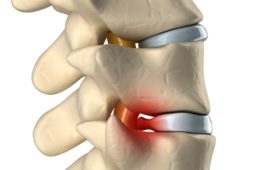

LOW BACK PAIN (LBP)
A large percentage of the population will experience low back pain at some point in their lives.
Common causes of low back pain:
- Acute injury
- Disc bulge or herniation
- Age related degeneration
- Sciatica (referred pain down leg)
- Pregnancy related LBP
- Postural related LBP
- Repetitive strain due to work/sport
- Spinal stenosis
Specific medical conditions affecting lower back:
- Scoliosis / Kyphosis
- Ankylosing Spondylitis
- Osteoporosis
- Reactive arthritis
Low back pain can be debilitating and negatively affect a person’s quality of life, and ability to perform activities of daily living.
Low back pain has a profound impact both directly and indirectly on individual workers and their families, industries and medical aids. Treating low back pain conservatively, physiotherapy treatment can reduce the total cost of direct medical expenditure (surgery) as well as loss of work productivity.
Most medical aids have specific back programs, where physiotherapy is paid from separate benefits, in an attempt to avoid costly surgery where possible.
It is important to have a full evaluation done to determine the specific structures responsible for the pain as well as the habitual patterns contributing to the recurrence of the symptoms. Once this has been established, your physiotherapist will treat you accordingly.
At an appropriate stage we will start with rehabilitation, which includes ergonomic advice, appropriate exercise program (“core” strengthening) and lifestyle modifications.
NECK PAIN
Neck pain is a very common complaint affecting people of all ages.
Some common causes of neck pain:
- Acute whiplash injury
- Whiplash associated disorder
- Degenerative disc disease
- Herniated disc
- Pinched nerve
- Postural syndromes
- Rheumatoid arthritis
- Fibromyalgia
Incorrect workstation setup as well as poor time management while working is becoming a big problem in modern times. People are sitting behind a computer for prolonged periods, with poor posture, that leads to neck pain and associated headaches.
It is also becoming a major problem in children with increased screen time, for e.g. Play station and computer games, tablets, cell phones, studying at a desk. Research suggests that hunching over electronic devices at a young age, can entrench bad habits which will cause musculo-skeletal problems in adulthood.
Systemic diseases like Fibromyalgia commonly affects the muscles of the neck and can be treated by physiotherapy with great success.
Neck pain can be debilitating and negatively affect a person’s quality of life, and ability to perform activities of daily living.
Research found that those who were suffering from neck pain also had a higher risk of suffering from mental illness like depression. Additionally, the greater the pain the higher the likelyhood of developing depression. See chronic pain.